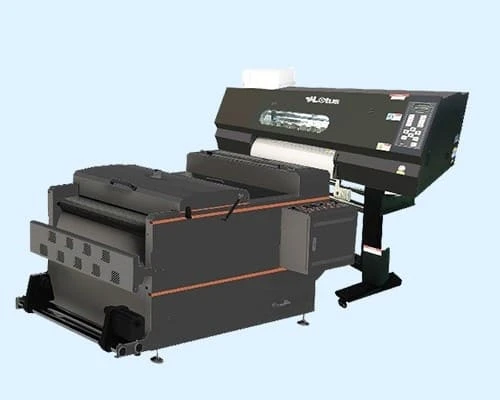
UV DTF Printing Machine
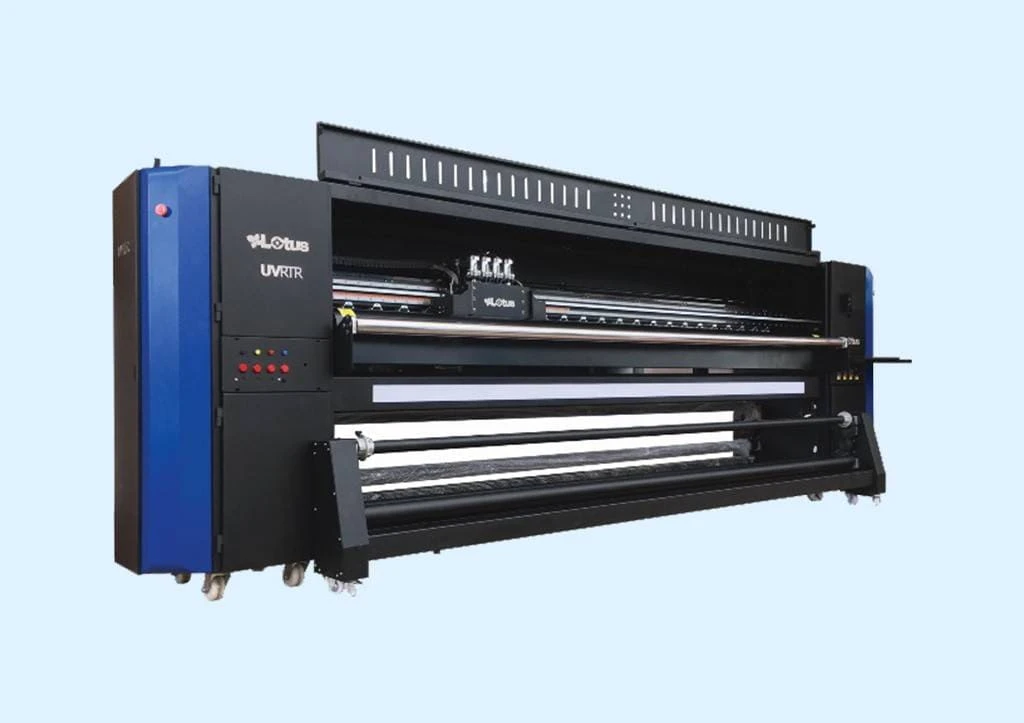
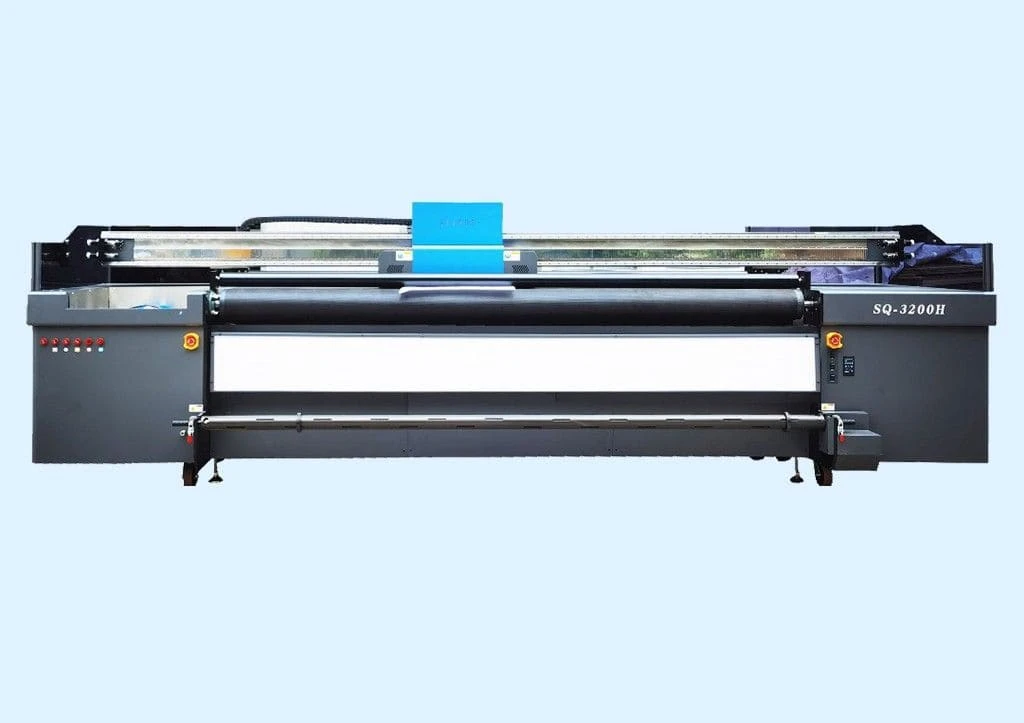
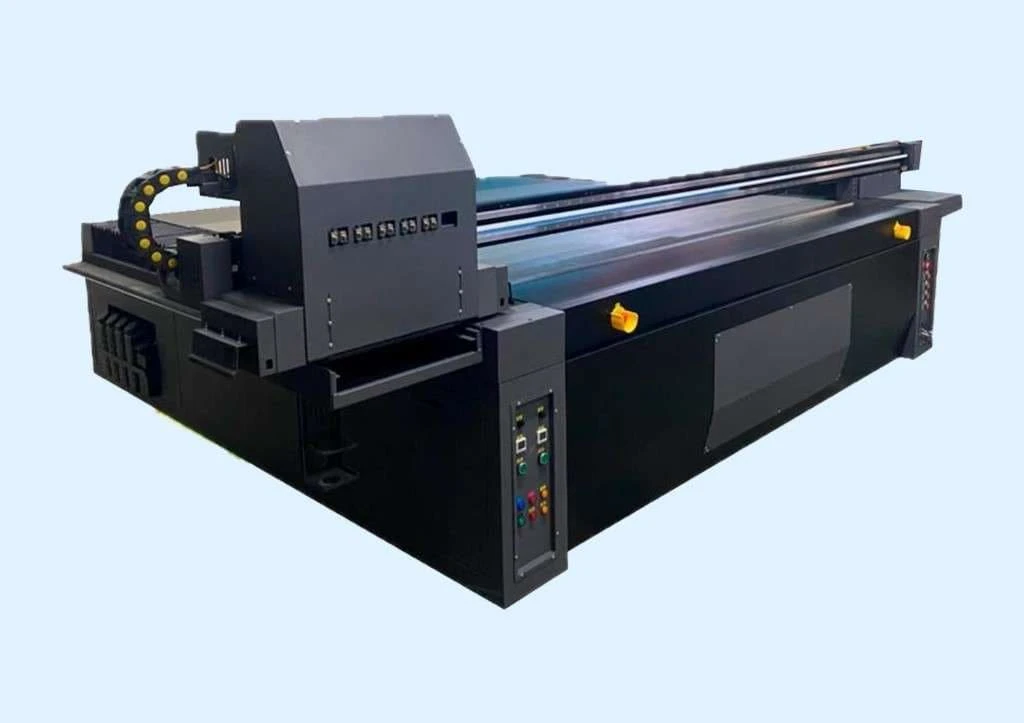
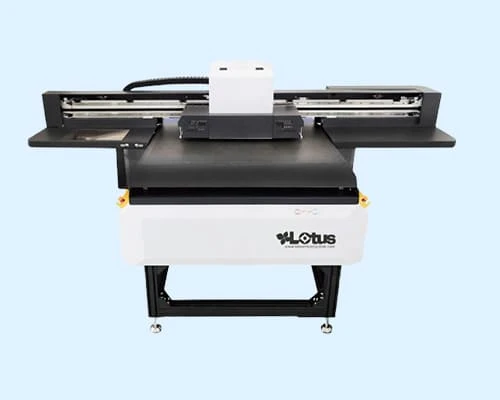
Lotus UV Printer introduces a breakthrough in transfer printing: UV Direct-to-Film technology. Unlike conventional DTF processes that require powder adhesives and heat tunnels, our UV DTF systems cure instantly under LED light—simplifying workflow while expanding creative possibilities. Featuring Epson i3200 printheads and advanced UV ink formulations, these printers produce vibrant, durable transfers with exceptional adhesion to challenging surfaces.
The UV DTF process eliminates the messiest aspects of traditional transfer printing. No powder to shake, no curing oven to maintain, no adhesive to manage. Instead, UV ink itself provides the adhesion layer, curing instantly to a flexible film that bonds aggressively to target substrates. The result is a process that's cleaner, faster, and more versatile than anything that came before.
From promotional products and industrial labeling to custom apparel and hard-goods decoration, Lotus UV DTF printers deliver gallery-quality results on virtually any substrate—no curing tunnel, no messy powders, no limitations. For businesses serving diverse markets with varying substrate requirements, UV DTF represents the ultimate flexibility in a compact footprint.
Key Features of UV DTF Printing Machine
- Precision Imaging : Industrial printheads deliver ultra-sharp graphics, smooth blends, and rich color saturation with true 1440 dpi resolution.
- Full-Color Plus White & Varnish : CMYK + White + Spot Varnish for opaque designs and premium textured finishes, including build height up to 2mm.
- Three-Step Simplicity : Print → Laminate → Transfer. No powder, no curing oven, no complex processes, with typical cycle times under 5 minutes.
- Universal Adhesion : Bonds firmly to uneven, curved, textured, and traditionally non-printable surfaces, with tested adhesion on 200+ substrates.
- Sub-Micron Accuracy : THK linear rails ensure perfect layer alignment and dot placement, with ±0.025mm registration for multi-layer jobs.
- Recycle-Ready : Recall and reprint jobs with absolute registration—zero media waste, with stored profiles for repeat orders.
- Compact Efficiency : Space-conscious footprint with low power requirements and minimal maintenance, fitting through standard doorways.
- Instant Curing : UV LED lamps cure each layer immediately, allowing immediate lamination and finishing without waiting.
Applications of UV DTF Printing Machine
- Custom Apparel & Textile Labels : Produce durable garment decorations and labels with fine detail and soft hand feel.
- Promotional Products (Pens, Power Banks, etc.) : Decorate cylindrical, curved, and irregular promotional items with full-color graphics.
- Industrial & Product Branding : Permanent brand markings on tools, equipment, and products with chemical-resistant inks.
- Decorating Curved or Textured Surfaces : Apply graphics to items that resist traditional decoration methods, from sports equipment to automotive parts.
- Protective Decals : Durable outdoor decals with UV-stable inks and aggressive adhesives for long-term applications.
Why choose us for UV DTF Printing Machine
- Breakthrough Process : No powder, no oven—just print, laminate, and transfer, simplifying workflow and reducing equipment requirements.
- Universal Adhesion : Bonds to almost any surface, including curved and textured items, with aggressive chemistry developed for challenging substrates.
- Premium Finishes : CMYK+White+Varnish for opaque designs and textured effects that command premium pricing.
- Simplified Workflow : Compact, efficient, and easy to operate, with training that brings new users to proficiency in days, not weeks.
- Versatile Output : One printer serves multiple markets, from apparel to industrial, maximizing utilization and ROI.